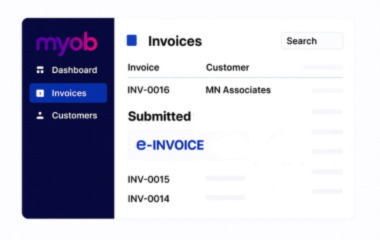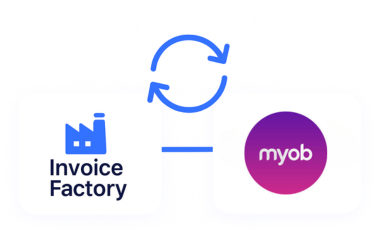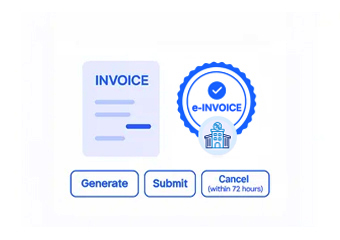
Smarter Invoicing Through MYOB
How MYOB Connects With Serbia SEF
- Invoice Data Extraction: Relevant invoice information is collected from MYOB and passed into Advintek’s Serbia compliance workflow.
- Field-Level Assessment: Customer, supplier, tax, totals, dates, and document information are checked before structured processing.
- UBL Document Generation: Validated information is organized into structured electronic invoice data following applicable Serbian specifications and UBL 2.1 requirements.
- SEF Interface Connection: The prepared document is handled through the appropriate electronic invoicing connection for Serbia’s SEF environment.
- Document Response Capture: Processing responses and available invoice statuses are returned to the connected workflow for further handling.
- Lifecycle Record Handling: Relevant documents such as invoices, credit-related documents, cancellations, and supporting records can remain traceable throughout processing.
Where Advintek Fits Into MYOB
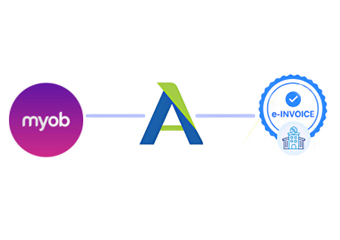
MYOB remains the business-facing accounting and invoicing environment, while Advintek works between MYOB and Serbia’s electronic invoicing framework to handle structured compliance processing and SEF-oriented connectivity.
- Maps MYOB fields to Serbian requirements
- Validates invoice information before processing
- Generates structured electronic invoice data
- Maintains visibility across SEF responses
Why Serbian Businesses Use Advintek
- Local Compliance Logic: Invoice processing reflects Serbia-specific electronic invoicing requirements rather than relying on generic international invoice rules.
- Accurate Data Preparation: Relevant MYOB information is organized before it enters the structured electronic invoicing process.
- Fewer Manual Checks: Automated processing reduces repetitive review of invoice fields, tax information, and document structures.
- Better Exception Awareness: Validation results and processing responses help teams identify invoices that need correction or further review.
- Consistent Document Treatment: Different invoice scenarios can follow defined processing paths instead of being handled differently by individual users.
- SEF Technology Alignment: The integration can work with Serbia’s technical framework, including API connectivity and structured electronic invoice specifications.
Built Around Serbia E-Invoicing
Invoice Validation Controls
Check essential invoice information before processing to identify missing, inconsistent, or incorrectly structured data at an earlier stage.
Structured Document Management
Handle structured invoice information in a format suited to Serbia’s e-invoicing environment, including supported UBL 2.1 document structures.
SEF Process Visibility
Follow relevant invoice activity and responses through a connected workflow, helping accounting teams understand where each document stands.
Designed For MYOB Users In Serbia
Advintek supports businesses using MYOB across consulting, professional services, agencies, and other sectors that need structured Serbian e-invoicing workflows.
- Continue preparing invoices inside MYOB
- Connect accounting data with compliance processing
- Handle structured Serbian invoice requirements
- Review processing results from connected workflows
Serbia Compliance Without Changing MYOB
Advintek connects MYOB invoice information to Serbia’s invoicing workflow, helping structure, validate, process, and monitor documents in one setup.
MYOB stays familiar. Serbia compliance becomes connected.
Ready e-Invoice System
Frequently Asked Questions About MYOB E-Invoicing Serbia
1. Can MYOB directly connect with Serbia’s SEF system?
MYOB provides accounting and invoicing capabilities, but Serbia’s Electronic Invoicing System has its own technical specifications, structured document requirements, and API-based connectivity options. Advintek can provide the additional integration layer required to prepare MYOB invoice information for Serbia’s SEF-oriented electronic invoicing workflow.
2. What MYOB data is used for Serbia e-invoicing?
Relevant invoice information can include supplier and customer details, invoice identifiers, dates, line information, tax categories, amounts, totals, and other required fields. Advintek maps the available MYOB information into the structured invoice model required for Serbian electronic invoicing processing.
3. Does MYOB need to be replaced for Serbian e-invoicing?
No. The purpose of the integration is to extend the existing MYOB workflow rather than replace it. MYOB can continue serving as the accounting and invoice-creation environment, while Advintek handles Serbia-specific preparation, validation, structured processing, and SEF-related connectivity.
4. How are MYOB invoices prepared for Serbia’s SEF?
Invoice information is transferred from MYOB into Advintek, where relevant fields are assessed and structured. The resulting electronic invoice data can then be processed through the appropriate SEF connection. Serbia’s official documentation provides API specifications and UBL 2.1 examples for electronic invoices.
5. What if a MYOB invoice contains incorrect information?
The invoice can be identified during the validation stage when required information does not satisfy applicable checks. The relevant data can then be corrected in the originating workflow before the document continues through processing, helping prevent avoidable issues from moving further into the electronic invoicing process.